Lay the Groundwork for a Working System
Septic system installation services for residential properties in Huntsville, Arkansas.
Installing a septic system on rural property in Huntsville means coordinating excavation, access, and layout before any tanks or lines go into the ground. The site has to be prepared to support the system long-term, and that preparation requires accuracy in depth, placement, and compaction. If the excavation is off by even a few inches or the soil is not properly graded, the system will not function the way it should.
Hawk Creek Excavation handles the excavation and site preparation portion of septic installs for homes in Huntsville and the surrounding area. The work includes digging to the specifications provided by the system designer, grading the site to ensure proper drainage away from the tank and field lines, and coordinating access for the installation crew. Experience working on rural properties common in the service area means the team knows how to navigate uneven terrain, tight access points, and soil conditions that vary across Northwest Arkansas.
If you are planning a septic install in Huntsville and need excavation handled correctly from the start, contact the team to book a site visit for septic planning.
What the Excavation Phase Involves
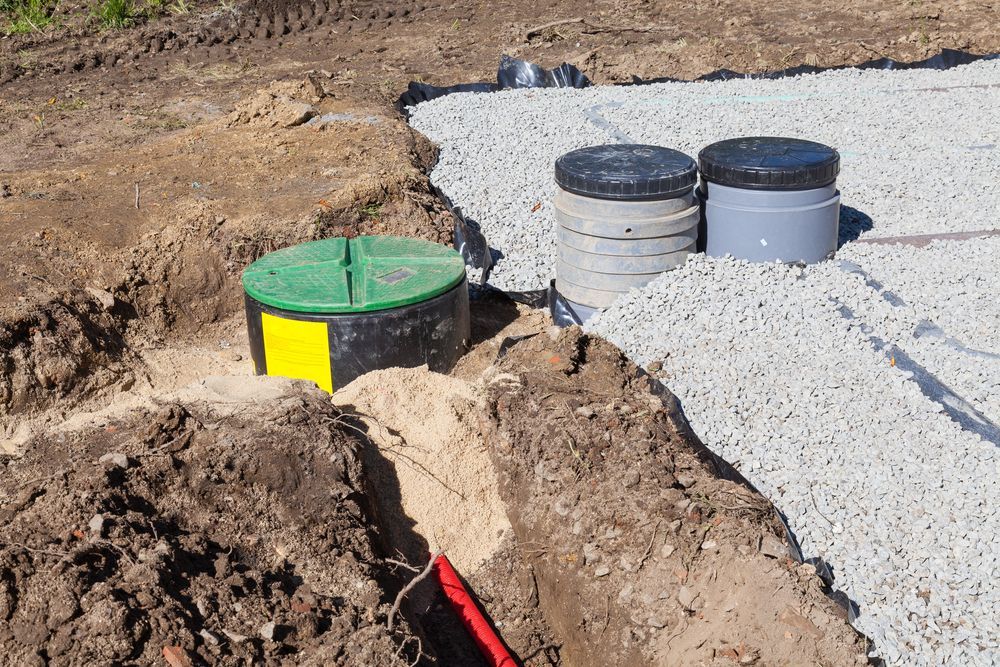
The process begins with an on-site evaluation to review the septic design and confirm the layout in Huntsville. You will see the crew mark where the tank and lateral lines will go, then excavate to the depth and width required by the plan. Bedding material is placed under the tank to prevent settling, and the surrounding soil is graded so water does not pool near the system.
After excavation is complete, the septic installer can set the tank and connect the lines without delays or adjustments. The site is stable, the grades are correct, and the system has the support it needs to function properly for years. On-site evaluations help determine layout and access needs, so the work proceeds smoothly even on properties with limited space or challenging terrain.
This service covers excavation and site preparation, not the installation of the septic system itself. However, the two phases are closely coordinated to keep the overall project on schedule and ensure compliance with local standards.
Property owners in Huntsville who are planning a septic install often ask similar questions about timing, coordination, and what to expect during the excavation phase.
Questions About Septic Excavation Are Common
Hawk Creek Excavation works closely with property owners throughout Huntsville to prepare sites for septic system installation. If you are ready to move forward with a septic project and need the excavation phase handled with accuracy and care, reach out to schedule a site visit and review the plan.